A Closer Look At Daily Habits
What Your Morning Routine Isn't Telling You About Gelatin and Women's Changing Bodies
From the first cup of coffee to the last meal of the day, this video looks at how gelatin fits into everyday habits, collagen conversations, and the natural shifts a woman’s body goes through over time.
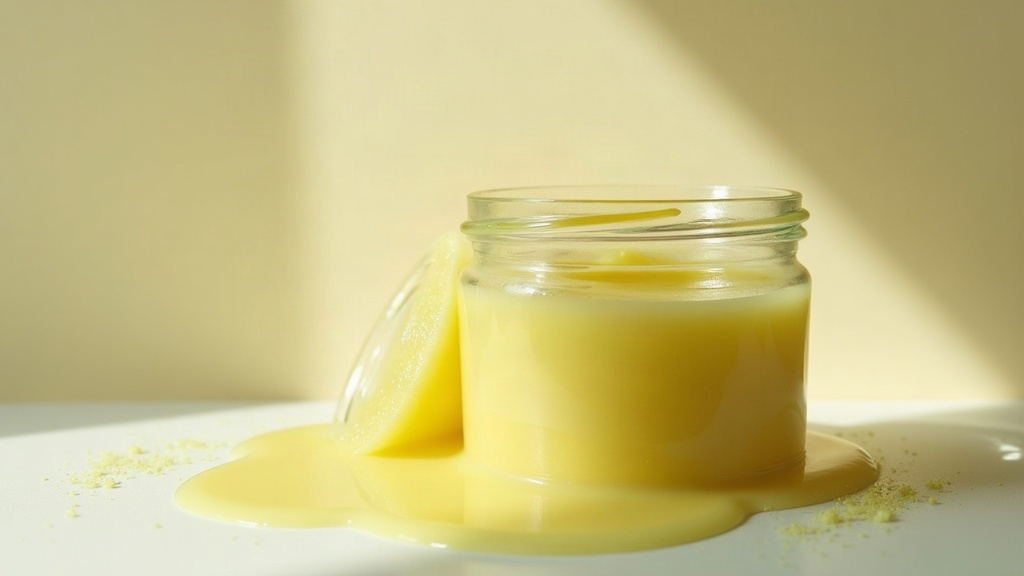
The Body Doesn't Change Overnight — But It Does Change
Long before anyone starts talking about diets, several quiet shifts are already happening inside a woman’s body. Here are four that rarely make it into the conversation.
Satiety Signals Shift
The way the body signals fullness can change gradually, which is part of why long-standing eating patterns sometimes feel less predictable than before.
Traditional Diet Advice Doesn't Always Fit
Generic 'eat less, move more' guidance was rarely built around how a woman's body actually changes across different life stages.
Collagen Production Slows With Time
Collagen, the protein family gelatin comes from, naturally declines with age — a process closely tied to skin, joints, and connective tissue.
Lean Mass Naturally Changes
Muscle composition shifts gradually over the years, which is one of several factors that can influence how the body feels day to day.
Metabolism Myths Worth a Second Look
Metabolism is one of the most talked-about — and misunderstood — topics in women’s wellness. Here’s a side-by-side look.
A slower metabolism means nothing can be done about daily habits.
Metabolic rate is one factor among many; sleep, movement, and nutrition patterns all play a role in a woman’s daily routine.
Weight and body composition are only about eating less and moving more.
Body composition, hormonal patterns, and structural proteins like collagen — the source of gelatin — are part of a far broader picture researchers continue to study.
Once metabolism slows down, it never changes again.
Metabolic rate fluctuates across life stages and can be influenced by muscle mass, activity level, and consistent habits over time.
A Simple Way to Think About Daily Habits
Rather than chasing quick fixes, many wellness routines are built around three basic ideas.
Notice the Pattern
Many women start by simply paying attention to how meals, sleep, and energy connect throughout the day.
Learn the Basics
Understanding how collagen, protein, and satiety-related ingredients like gelatin fit into everyday nutrition helps put the bigger picture into context.
Build a Consistent Routine
Small, repeatable habits — not drastic overnight changes — are what most wellness routines are actually built around.
A Tradition Passed Down in the Kitchen
Gelatin has a long history in home kitchens, appearing in broths, desserts, and family recipes passed down across generations, long before it became a topic in modern wellness conversations. Traditionally, it was valued simply as a practical ingredient — something that added texture and made use of every part of an animal in the kitchen. Over time, attention turned to what gelatin is actually made of: collagen, broken down into a form the body can more easily process.
Insight: Gelatin is derived from collagen, the same protein family frequently discussed in conversations about skin, joints, and connective tissue — which is part of why it resurfaces so often in wellness content.
Signs Worth Paying Attention To
Increased Hunger Between Meals
Feeling hungry sooner than expected after eating can be one of several everyday signals worth noticing.
Changes in Skin Elasticity
Skin that feels less firm than it used to is often linked to the same collagen changes discussed in wellness circles.
Joint Stiffness After Rest
Stiffness after sitting or sleeping is a common topic in conversations about connective tissue and aging.
Fluctuations in Weight
Weight that shifts more easily than before can reflect a combination of factors, including changes in body composition.
Dips in Daily Energy
Afternoon energy dips are frequently mentioned alongside conversations about nutrition and daily habits.
Nails That Break More Easily
Brittle nails are sometimes brought up in the same context as collagen and overall protein intake.
What Some Women Have Shared

These testimonials reflect personal opinions and individual experiences. Individual results may vary, and these statements have not been evaluated by the FDA. They are not intended to diagnose, treat, cure, or prevent any disease.
Frequently Asked Questions
Hydrolyzed gelatin is gelatin that has been broken down into smaller particles so it dissolves more easily. It comes from the same collagen protein found in traditional gelatin.
No. The video is educational in nature and discusses general wellness topics related to daily habits, collagen, and satiety.
This content does not make weight-loss claims. It discusses gelatin in the context of collagen, satiety signals, and general nutrition education.
Collagen naturally declines with age and is connected to skin, joints, and connective tissue, which is why it frequently comes up in wellness discussions.
Gelatin is derived from collagen through a cooking process. They are related but not identical in form.
It’s intended for anyone interested in learning more about women’s wellness topics, daily habits, and nutrition basics.
The video linked on this page goes into more detail on these topics in an educational format.
Curious About the Full Picture?
This page only scratches the surface. The full video walks through the details behind collagen, satiety, and daily habits in a way that’s easy to follow.
Advertising Disclosure: This page contains sponsored content and affiliate links. We may receive compensation if you click a link or make a purchase through the links provided. This helps support the content on this site at no additional cost to you.
Content Disclaimer: This content is for educational purposes only and has not been evaluated by the Food and Drug Administration (FDA). It is not intended to diagnose, treat, cure, or prevent any disease. Always consult a qualified healthcare professional before making changes to your diet, exercise, or wellness routine.
Results Disclaimer: Individual results may vary. Testimonials and experiences shared on this page are personal opinions and are not a guarantee of similar outcomes for any other individual.
© 2026 apellesrealty.com · All Rights Reserved · /contact/